
Cyber Pathways
Explore UK cybersecurity roles, mapped from first module to graduate job. Students begin with foundational modules in networking and security, develop technical and practical skills during their degree, and enhance their employability through projects and certifications. Most graduates then enter the field through entry-level roles such as SOC Analyst or IT support, before progressing into specialised cybersecurity careers.
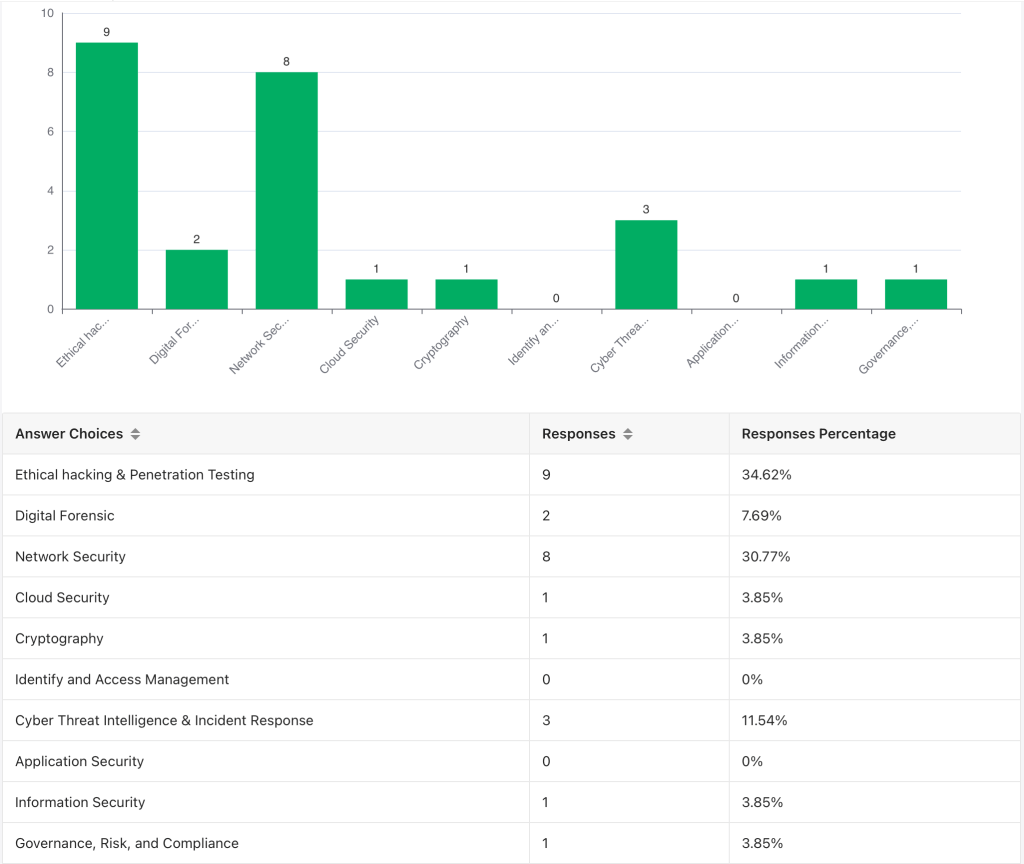
Pathways chosen collected from the students survey:

Hands-on route into SOC analysis, incident response, and entry-level blue-team roles. The pathways chosen were based on the results collected from the student survey, which highlighted the most popular and relevant areas of interest within cybersecurity. The data showed that students were particularly interested in fields such as ethical hacking, network security, cloud security, digital forensics, and governance, risk, and compliance (GRC). These pathways were selected because they represent a mix of technical, analytical, and management-focused roles, catering to different skill levels and career interests. By focusing on these areas, the website ensures that it addresses the needs and preferences of students while providing clear and structured guidance for entering the cybersecurity job market.
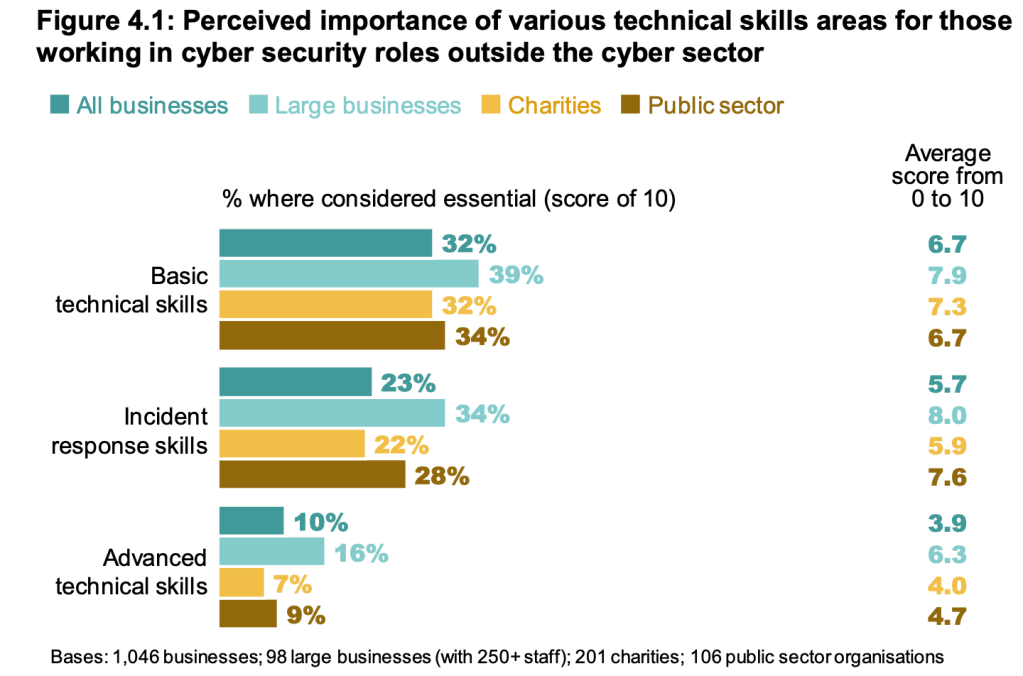
Structured progression into governance, risk, compliance, and security auditing for policy-focused students. This pathway provides a structured progression into governance, risk, and compliance (GRC) and security auditing, specifically designed for students who are more interested in policy, management, and organisational security rather than highly technical roles. It begins with foundational knowledge in cybersecurity concepts, risk management, and basic IT systems, helping students understand how security fits within a business context.
Visualise Your Cybersecurity Journey
| Career Paths: | Technical Knowledge |
| Ethical Hacking & Penetration testing | – Learn Networking basics (TCP/IP, DNS, HTTP). – Learn Linux fundamentals Understand cybersecurity basics (threats, vulnerabilities, CIA triad). Basic scripting (Python or Bash) *Typical roles: IT Support Junior Security Analyst SOC Analyst. |
| Digital Forensic | – Learn Computer fundamentals (how systems work). – Learn Operating Systems (Windows & Linux). Students must understand Networking basics (IP, DNS, logs) Introduction to cybersecurity concepts *Typical roles: IT Support Junior IT Technician SOC Analyst (entry route) |
| Network Security | – Learn Networking fundamentals:TCP/IP DNS. – Learn Routing & Switching Understand Operating Systems (Windows & Linux). – Learn basic cybersecurity concepts (threats, firewalls, encryption) *Typical roles: IT Support Network Technician Junior SOC Analyst |
| Cloud Security | – Learn Networking basics (TCP/IP, DNS, HTTP). – Understand Operating Systems (Linux is very important). – Learn basic cybersecurity concepts Introduction to cloud computing (what cloud is, how it works) *Typical roles: IT Support Junior Cloud Support SOC Analyst |
| Cryptography | – Learn Mathematics basics:Algebra Number theory Probability. – Learn Programming:Python (recommended) Basic algorithms. – Understand computer science fundamentals *Typical starting roles: Junior Developer IT Support Security Analyst (entry route) |
| Cyber Threat Intelligence | – Build strong cybersecurity and analytical basics. – Learn cybersecurity fundamentals:Types of threats (malware, phishing, ransomware). – Understand networking basics. – Learn basic IT and system knowledge Develop research and analytical skills. *Typical starting roles: SOC Analyst IT Support Junior Security Analyst |
| Information Security | – Learn Networking fundamentals (TCP/IP, DNS) Understand Operating Systems (Windows & Linux). – Learn basic cybersecurity concepts:Threats and vulnerabilities CIA triad (Confidentiality, Integrity, Availability). *Typical starting roles: IT Support Junior Security Analyst SOC Analyst |
| Governance, Risk, & Compliance | – Build a mix of cybersecurity and business understanding. – Learn basic cybersecurity concepts:Threats, vulnerabilities, risk. – Understand IT systems and networking basics Introduction to:Risk management Security policies. *Typical starting roles: IT Support Junior Security Analyst Compliance Assistant |
Dive into interactive maps that break down each cybersecurity pathway, from core digital skills to advanced certifications. See prerequisites, recommended Kingston University modules, and real timelines, so you can plan placements, side projects, and study focus with clarity, confidence, and realistic next steps.
 Cybersecurity Career Pathways Hub